


Chemical Flush Vs Power Flush: What’s The Difference?
Chemical Flush Vs Power Flush: Which Does Your Heating System Actually Need?
If your radiators aren’t heating up properly or your boiler feels sluggish, you might be told your system needs a flush. But then comes the confusing bit: chemical flush vs power flush. What do these terms actually mean? And how are you meant to know which one is right for your home?
The truth is, flushing your central heating system can be one of the best ways to restore performance and prevent breakdowns… but only if it’s done properly and at the right time. This blog explains the difference between the two approaches, what each involves, and how we decide what’s needed.
Let’s take the mystery out of it.
Why Do Heating Systems Need Flushing?
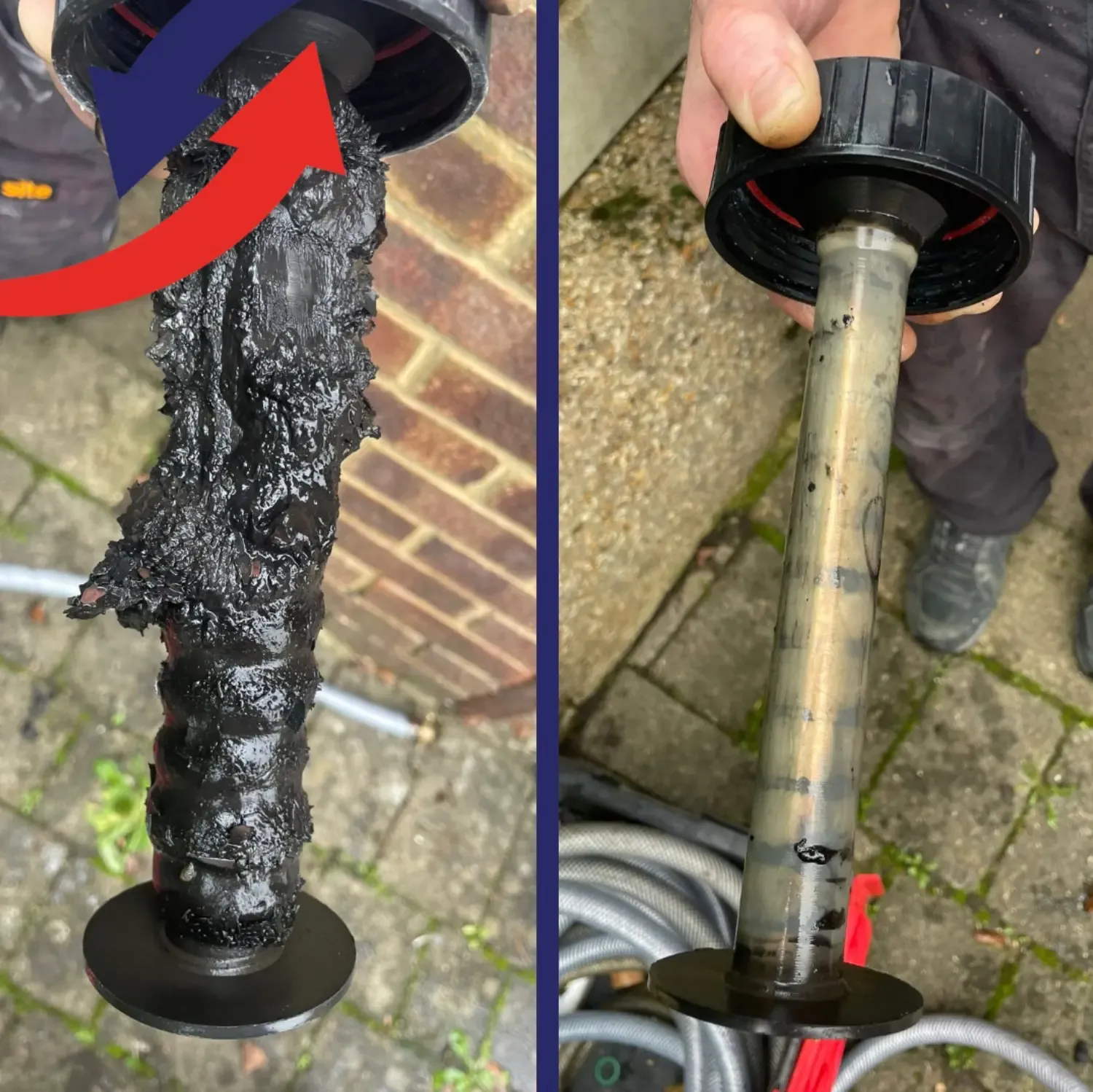
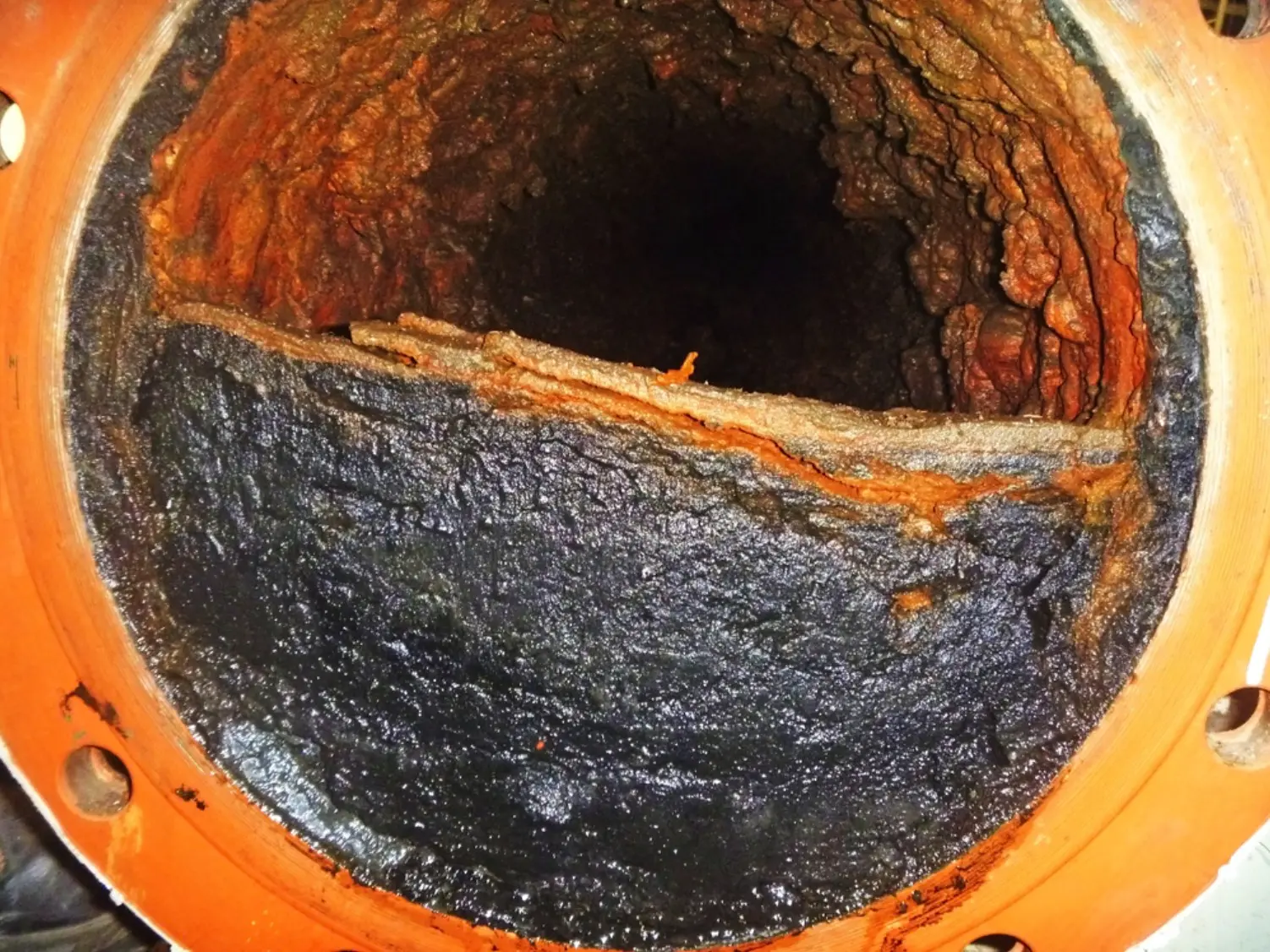
Over time, sludge, rust, and debris build up inside your central heating system. This happens because water reacts with metal in the radiators and pipes, especially in older systems. The more this material builds up, the less efficiently hot water can flow.
The result? Cold spots on radiators, patchy heating, strange boiler noises, or even full system failure. Flushing clears the system out and restores clean circulation — but not all flushing is the same.
What Is A Chemical Flush?
A chemical flush is a milder form of cleaning. It involves adding special cleaning agents to your heating system and circulating them using the existing boiler pump. These chemicals loosen dirt and small amounts of sludge, which are then flushed out and replaced with clean water.
Chemical flushes are ideal for systems that aren’t heavily contaminated. For example, if you’re replacing your boiler and the radiators are working well, a chemical flush is usually all that’s needed to ensure the system is clean enough for the new unit to run efficiently.
It’s also quicker and less expensive than a full power flush, making it a good preventative step for newer systems.
What Is A Power Flush?
A central heating power flush is a much deeper clean. It uses a separate machine to push water and cleaning chemicals through your radiators and pipework at high velocity. This dislodges stubborn sludge and rust deposits that a chemical flush just can’t touch.
Power flushing is more intensive and takes longer, but it’s the only real solution if your radiators are cold at the bottom, your boiler keeps locking out, or your system water runs black when bled. It’s often required when the system has been neglected or left untreated for years.
How Do You Know Which One You Need?
We’re often asked: what’s the difference between power flush and chemical flush, and how do I know which one my system needs?
The answer depends on the condition of your system. If radiators are mostly working, the boiler is fairly new, and water from the bleed valve looks clear, a chemical flush may be enough. But if you’re experiencing uneven heat, noisy pipes, or brown sludge during bleeding, it’s likely that a power flush will be recommended.
At KD Jones, we always inspect your system before suggesting either option. We never upsell unnecessarily; our aim is to get your heating running properly and efficiently.
Does Flushing Really Make A Difference?
Absolutely. Whether chemical or power, flushing helps to:
- Restore proper water flow
- Eliminate cold spots on radiators
- Lower your energy bills by improving efficiency
- Extend the life of your boiler and radiators
- Prevent future breakdowns caused by sludge
It also protects any new boiler you install, which is why many manufacturers require some form of system flush as a condition of their warranty.
Should I Get A Magnetic Filter Too?
Flushing clears the system once. A magnetic filter keeps it clean.
After either type of flush, fitting a magnetic filter to the return pipe helps to capture future particles of metal and sludge before they can recirculate. It’s a smart, relatively low-cost way to protect your boiler over the long term, and we recommend one for every new installation or deep clean.
Final Thoughts
Knowing the difference between chemical and power flushing is key to keeping your heating system in good shape. You don’t always need the most expensive option… but you do need the right one.
If your radiators aren’t heating evenly, your boiler is noisier than usual, or it’s been years since your last flush, it might be time for a system check. Let us take a look and point you in the right direction.
📞 Call us on 01737 211376
🌐 Visit our contact page to request a quote online
📍 Based in Redhill, we cover homes across Surrey and the surrounding areas
FAQs
What’s the main difference between a chemical flush and a power flush?
A chemical flush uses mild cleaning agents circulated at low pressure to remove light debris. A power flush uses a separate machine and high pressure to clear heavy sludge and built-up deposits from your heating system.
Do I need a power flush before a new boiler installation?
Not always. If your system is in good condition, a chemical flush may be sufficient. However, if your radiators are cold or your water is dirty, a power flush may be required to protect your new boiler and meet warranty conditions.
How long does a power flush take?
Most power flushes take around 4 to 6 hours, depending on the size of the system and number of radiators. Heavily contaminated systems can take longer.
Can a chemical flush fix cold spots on radiators?
If the cold spots are due to light sludge, then yes, a chemical flush may help. But for severe blockages or long-standing debris, a power flush is usually needed to properly restore flow.
Is it safe to flush my system?
When done by a qualified heating engineer, yes. Flushing is a standard maintenance procedure and helps improve system performance and lifespan. Poorly done DIY jobs, however, can cause issues.
Do magnetic filters really work?
Yes. Magnetic filters are excellent at capturing fine particles of rust and sludge before they reach the boiler. They’re especially useful after a flush, keeping the system clean long term.